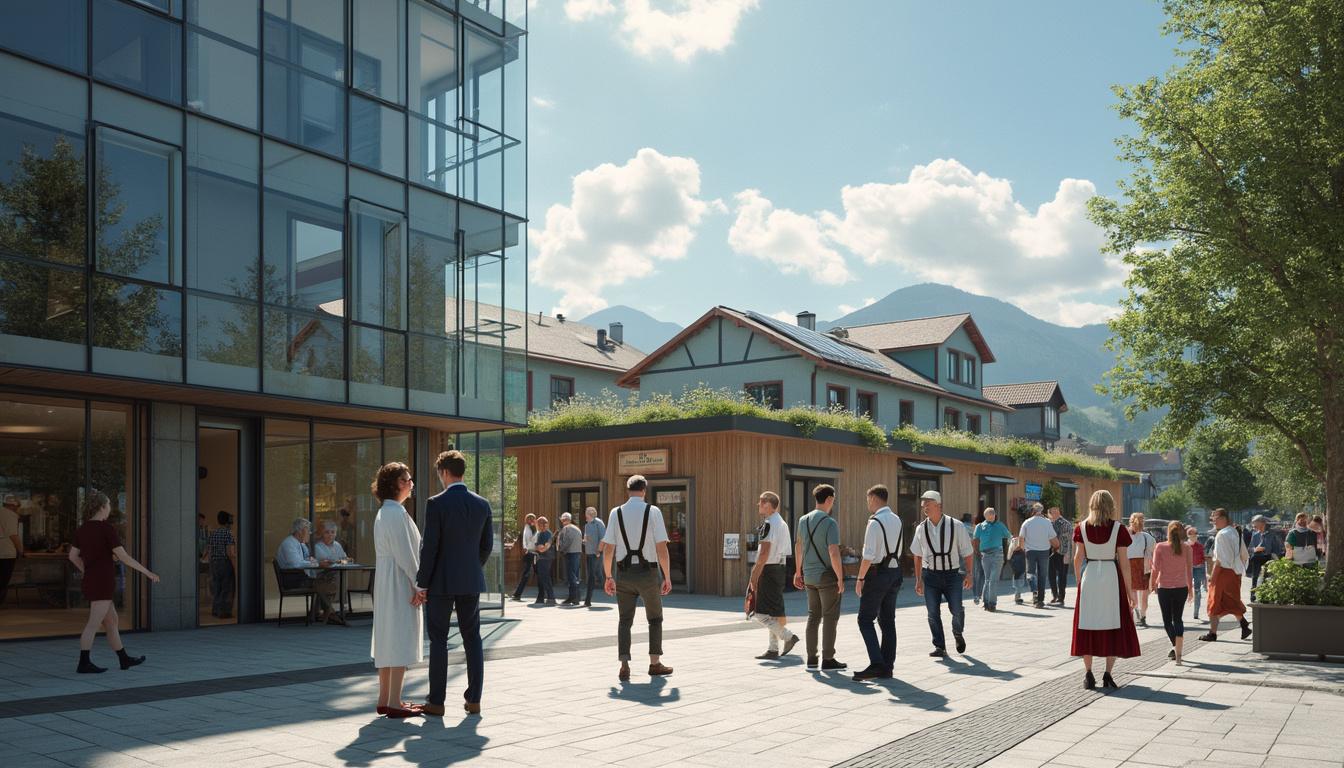
Switzerland has always established itself as a reference in terms of quality of life, offering a unique palette of landscapes, a stable economic and social balance, as well as incomparable security. However, asking where is the best place to live in Switzerland requires a more in-depth analysis of the different regions, which do not all meet the same criteria for “well-being.” In 2025, from the gentle shores of Lake Geneva to the peaceful streets of Lucerne, through dynamic Zurich Zen or the Basel Balance, each canton reveals its own alpine way of life, taking advantage of local specificities. This overview will guide you through several essential dimensions, such as employment, housing, security, and cultural wealth, to better understand where the “harmony of life” has found its ideal setting. Whether you are a professional seeking an environment conducive to entrepreneurship, a family looking for Swiss serenity, or simply a nature lover, this guide will help you find the rare gem, be it the ideal Geneva or the discreet charms of Vaud quality of life.
The essential criteria for assessing quality of life in Switzerland
Long before choosing a place of residence, especially as a business seeking stability, it is crucial to understand the key factors that shape quality of life. In Switzerland, this notion encompasses several dimensions such as
- Housing: the financial weight it represents, the comfort, and the satisfaction of the inhabitants.
- Employment: occupation rates, salaries, job opportunities, and working conditions.
- Disposable income after taxes, which truly reflects purchasing power.
- Security: perceptions and actual statistics on crime.
- Natural surroundings: proximity to green spaces, lakes, and mountains, vectors of a sought-after alpine way of life.
- Social well-being: community ties, access to culture, education, and services.
According to the latest OECD index, Switzerland continues to rank among the best countries to live in, with notably 79% of 15-64 year-olds employed and a housing satisfaction rate above 90%. This reflects a rare economic and social balance, but disparities among cantons remain to be taken into account.
Focus on housing: income share and residential satisfaction
Housing remains the major expense for most Swiss households, accounting for an average of around 24% of disposable net income, compared to 21% in France. Nevertheless, a large majority, namely 93% of Swiss, report being satisfied with their housing condition, a statistic slightly higher than that of their French neighbors.
For example, in Geneva, recognizable for its “ideal Geneva” lifestyle, apartments close to amenities ensure quick access to essential services, contributing to this overall satisfaction. However, this accessibility comes at a cost: rents are among the highest, which can pose a challenge for some low-income households. In comparison, less urban Vaud municipalities like Morges offer an interesting alternative where the gentle Lake Geneva highlights a more affordable way of life while maintaining high environmental quality.
Moreover, the average number of rooms per person in Switzerland is about 1.8, an indicator that translates to appreciable comfort. Housing is generally well insulated and meets high ecological standards, thus contributing to a healthy environment and a better overall quality of life.
| Canton | Share of net income spent on housing | % of housing satisfaction | Average number of rooms per person |
|---|---|---|---|
| Geneva | 28% | 94% | 1.7 |
| Vaud | 22% | 92% | 1.8 |
| Zurich | 23% | 91% | 1.9 |
| Bern | 20% | 89% | 1.8 |
Employment and income: major indicators of Swiss well-being
The “Swiss Serenity” largely relies on a robust and inclusive labor market. The national employment rate is remarkable, with 79% of working-age individuals employed, which far exceeds the OECD average.
- A dynamic labor market: the Swiss economy attracts due to its dynamism, particularly in finance, technology, and the pharmaceutical sector.
- Competitive salaries: the average salary in Switzerland is about 25% higher than in France, which helps to increase purchasing power despite the high cost of living.
- Women’s employment evolution: although there is a wage and employment gap between men and women, the progress of women’s employment is notable, contributing to diversifying and enriching the economic fabric.
The stability of employment with a low proportion (8%) of fixed-term contracts reinforces this “Basel Balance” which makes Switzerland a country where it is good to work and live. For example, Geneva, in its role as an administrative and financial hub, offers entrepreneurs a conducive ecosystem to develop their activities and enjoy an exceptional living environment.
For those looking to start a business, it is worth consulting our article on entrepreneurship in Geneva to evaluate opportunities and benefit from personalized advice tailored to the local market.
Comparison of disposable net incomes
Contrary to popular belief, the average disposable net income in Switzerland is slightly lower than that of France when taxes are taken into account. However, this data does not fully reflect real purchasing power, as the quality of public services and the efficiency of infrastructure are significantly higher in Switzerland. We thus talk about a genuine Swiss Well-being felt daily by households.
| Country | Disposable net income per household (USD) | Average share of income spent on housing | Employment rate of 15-64 year-olds |
|---|---|---|---|
| Switzerland | 45’000 | 24% | 79% |
| France | 46’000 | 21% | 64% |
| OECD Average | 40’500 | 22% | 66% |
The determining role of the natural environment and culture in the Swiss art of living
Any discussion on quality of life in Switzerland would not be complete without mentioning the dominant natural environment and cultural richness. These elements profoundly structure the “Alpine Art of Living.”
- Access to green spaces and outdoor activities: the varied landscape of mountains, lakes, and forests promotes leisure activities such as hiking, skiing, or sailing on Lake Geneva.
- Dynamic cultural life: festivals, museums, and artistic events punctuate all major cities, from Zurich Zen to ideal Geneva.
- Respect and preservation of the environment: local policies support sustainable development, ensuring the longevity of the natural setting.
For example, the region of Lucerne perfectly illustrates this harmony between nature and culture, with its clear lake and renowned festivals, embodying a true Harmony of Lucerne blending modernity and tradition.
The Swiss cities most attractive for natural and cultural settings
| City | Proximity to nature | Major cultural events | Quality of infrastructure |
|---|---|---|---|
| Geneva | Very good (Lake Geneva) | Festival de la Bâtie, Fêtes de Genève | Excellent |
| Zurich | Good (Lake Zurich) | Zurich Film Festival, Street Parade | Excellent |
| Lucerne | Excellent (lake and mountains) | Lucerne Festival, carnival | Very good |
Security and serenity: what are the bastions of tranquility in Switzerland?
The feeling of security is a major pillar of well-being in Switzerland. According to recent studies, crime rates are very low, with a clear preference expressed for cantons such as Vaud quality of life and Bern living well.
- Bern offers a secure environment, especially in its residential and suburban areas.
- Vaud, thanks to its balance between urban areas and natural spaces, guarantees appreciated tranquility.
- Effective local police forces help maintain constant vigilance while respecting privacy.
These conditions allow the population to fully enjoy “Swiss Serenity,” with a climate conducive to a harmonious family life and a balance between work and leisure.
Popular Romandy cities and their specifics
Romandy, with its iconic cities, frequently attracts new residents for its “gentle Lake Geneva” model. Here is an overview of the cities that best illustrate quality of life in this francophone part:
- Ideal Geneva: strong in employment, cosmopolitan, and culturally rich, Geneva is valued for its international organizations and its exceptional setting by Lake Geneva.
- Lausanne: known for its lively student and sports atmosphere, particularly with the International Olympic Committee, it combines urban life with leisure activities.
- Neuchâtel: a calmer city with a strong university and cultural identity, ideal for a gentle and intellectual life.
- Fribourg: this bilingual city offers medieval charm and a welcoming community, where history intertwines with modernity.
Each of these cities has developed its unique “Alpine Art of Living,” showcasing both tradition and innovation. For those considering relocating there, learning about business creation assistance in Geneva can be a good starting point.
Focus on the balance between work and private life in Switzerland
The “Zürich Zen” also expresses itself in the sought-after work-life balance, where Swiss employees benefit from a thoughtful and adapted work organization. On average, work accounts for about 1640 hours per year, slightly less than before, with a significant effort on quality rather than quantity.
- Flexible hours and remote work, which have become common in many sectors.
- Solid social protection ensuring safety and support in times of difficulty.
- Access to leisure facilitated by efficient infrastructure and a rich associative fabric.
This approach fosters overall well-being and allows balancing professional ambitions with optimal quality of life. Initiatives in this regard are particularly visible in the “Basel Balance,” where local programs support stress reduction and the promotion of well-being at work.
The challenges to consider for a better art of living in Switzerland
Despite all these advantages, certain realities invite caution. The high cost of housing in attractive cities like Geneva and Lausanne can deter newcomers. The language barrier for non-French speakers in Romandy is also a daily challenge, as is social integration in sometimes reserved communities.
At the same time, the tax context, although generally advantageous, requires a good understanding to be optimized at its best, especially for those considering entrepreneurship. We strongly encourage an in-depth reading of resources such as tax optimization in Switzerland to build a serene and prosperous project.
- High real estate costs and rents.
- Cultural and linguistic integration.
- Importance of understanding local taxation well.
- Preserving quality of life against growing urbanization.
Essential questions for choosing where to live in Switzerland
What personal criteria should guide my choice of residence?
Each individual or family should reflect on their priorities: proximity to the workplace, natural environment, schools, culture, security, or cost of living. Some will prioritize urban dynamism like in Zurich Zen, while others will prefer the tranquility and nature of gentle Lake Geneva.
Is it easy to find a suitable job in the different regions?
Yes, but the field of activity and the canton are determining factors. Switzerland has a diverse job market with high-demand areas, particularly in finance in Geneva, technology in Zurich, or education in Lausanne.
What is the real impact of taxation on household budgets?
Switzerland offers several advantageous tax regimes depending on the cantons. Inquiring about the “most tax-advantageous Swiss canton” is essential to optimize one’s income, especially for entrepreneurs and senior executives.
How to reconcile leisure and professional life in Switzerland?
Leisure infrastructures, sports clubs, and cultural events are very accessible, promoting relaxation and replenishment after work. The work pace is designed to maintain this balance.
Is there support for newcomers or entrepreneurs?
Absolutely, organizations like FIDUCOMPTA in Geneva offer comprehensive support, from business creation to administrative management, to facilitate integration and build a serene future.